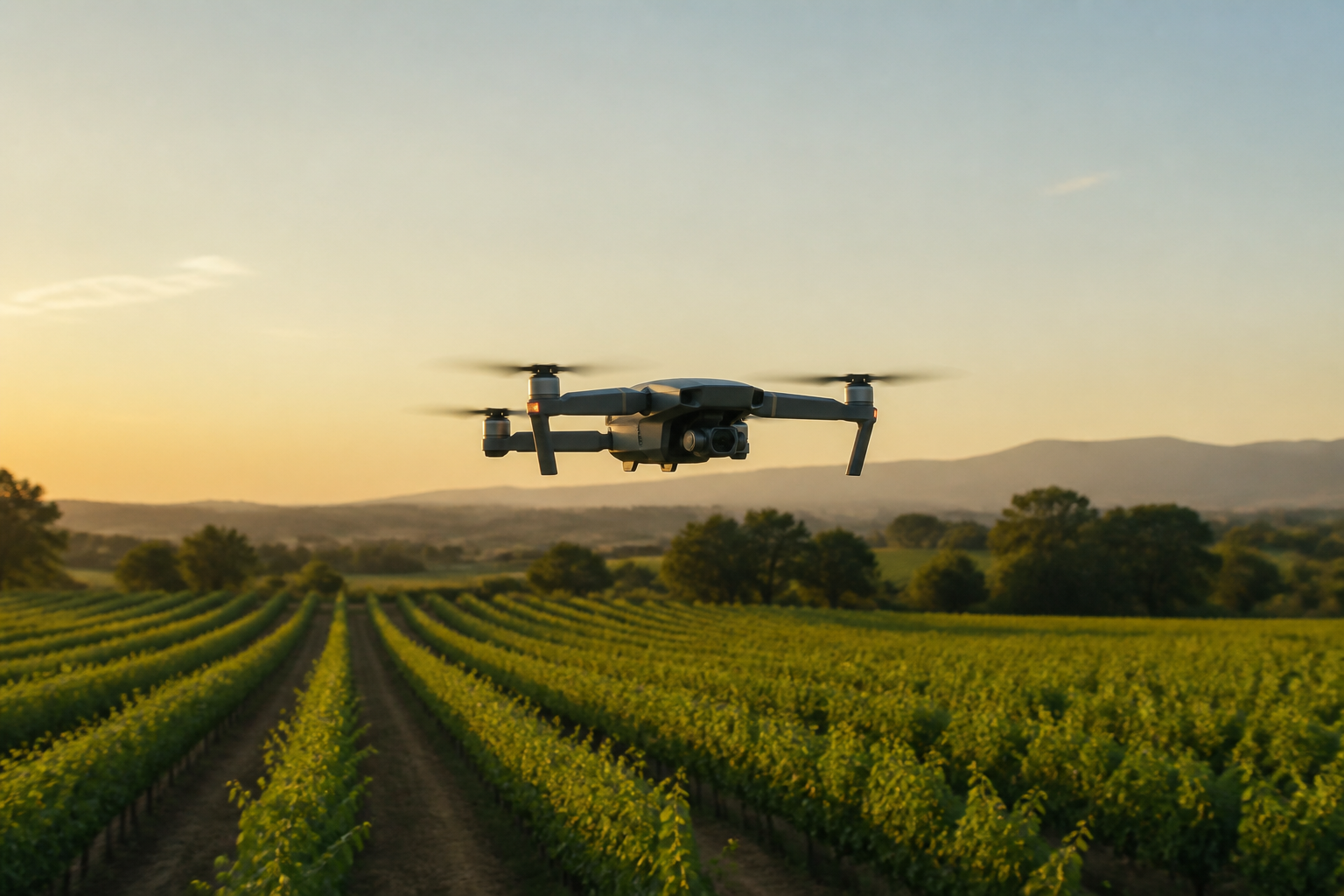
A small drone flying low over farmland at sunset

Seed Future

Machines that understand
what’s around them.

A camera takes a picture. That isn’t enough. We teach vehicles and drones to see the way people do — by putting sight, shape, and motion together into one sense of the world.

Get early access

Three senses. One picture.

People don’t walk through a room using only their eyes. We hear, we feel distance, we notice movement. Machines shouldn’t either.

Each one has a blind spot. Together they fill the gaps — so the machine knows what’s there, what’s empty, and what might move.

What this looks like in the world

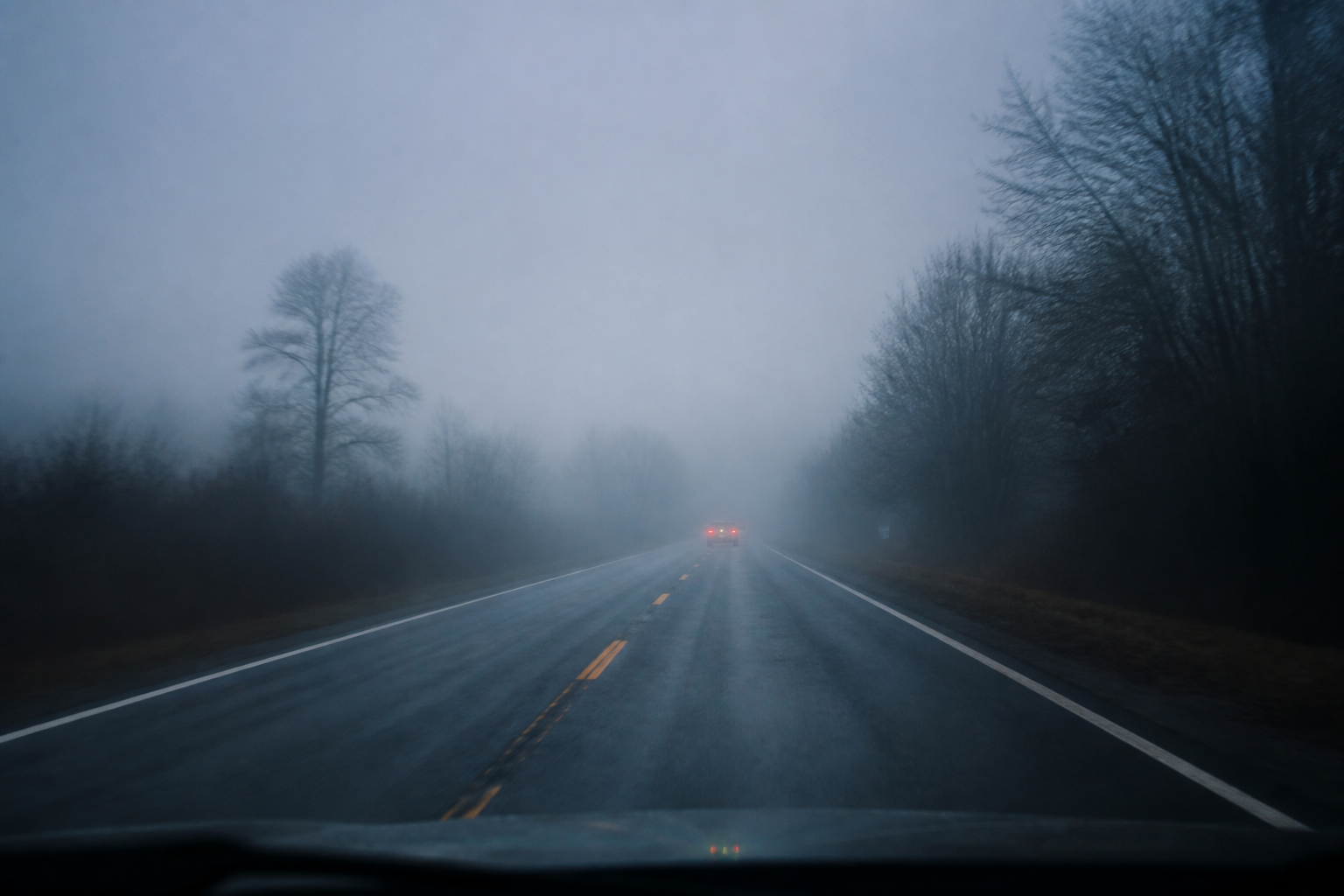
A foggy road at dawn with a car barely visible ahead

Fog

The road the camera cannot see

On a morning like this, a photograph is mostly gray. A person still knows a car is up ahead — the lights, the shape in the mist, a sense of motion.

We keep the picture, and we keep the senses that still work when the picture fails. The machine isn’t asked to guess from fog. It is asked to use everything it has.
A drone over green fields in late-afternoon light

From the air

Not a pretty photo. A place you can fly.

A farm from above is beautiful. For a drone it has to be more than that: where the ground is, where people are, where the open sky actually is.

We turn those mixed senses into a living map — occupied, empty, safe to pass. The kind of map you’d want if you were the one in the air.

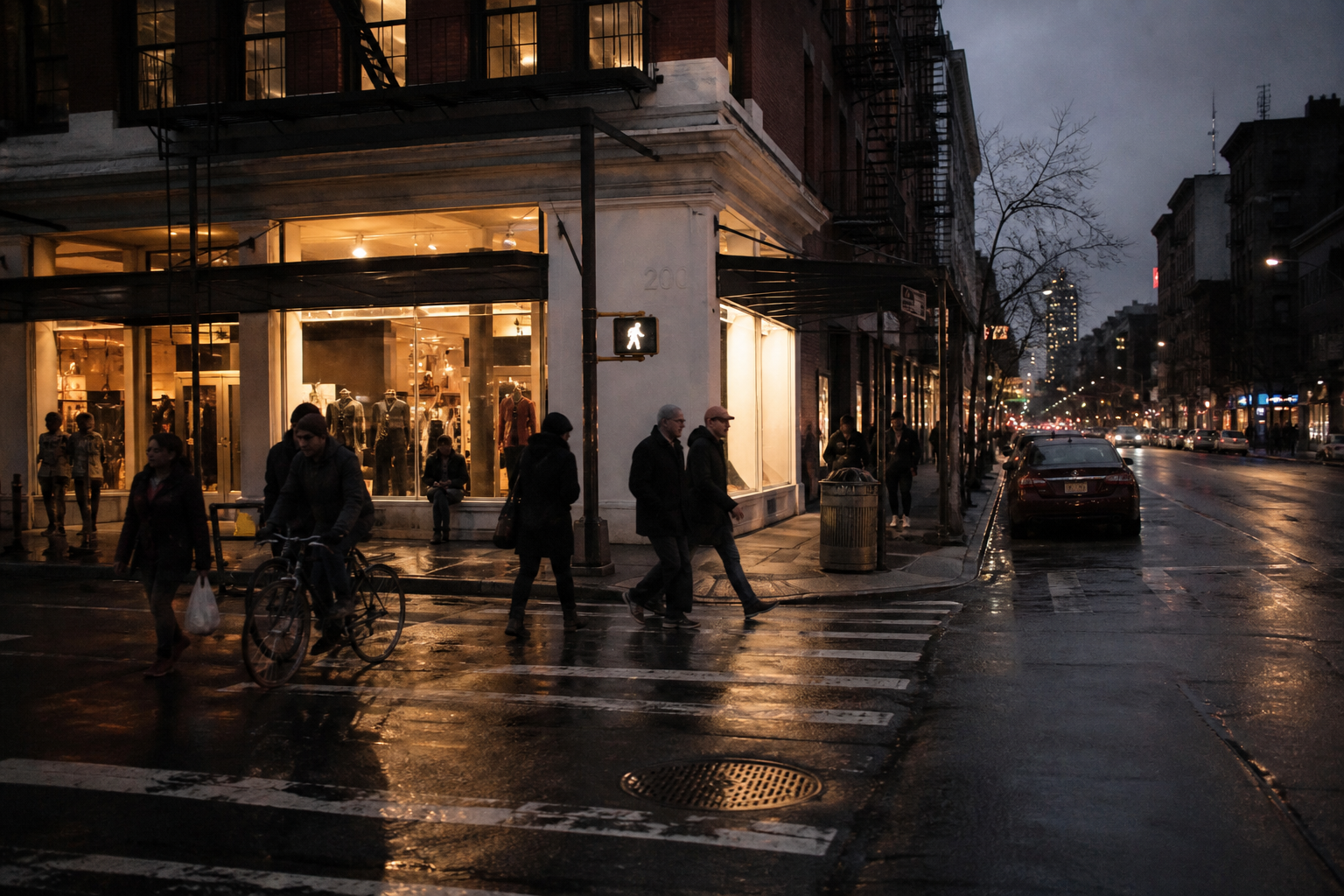
A busy city street at dusk with people, bikes, and cars

The street

People, bikes, parked cars, and the gaps between

A crowded corner is not one object. It’s a lot of small truths at once: who is moving, what is parked, where the pavement is actually open.

That’s the job. Name what’s there. Leave the empty space empty. Don’t invent what you didn’t see.

Early access

Be first to try it.

We’re teaching this on real roads and real flights. Sign up with Google and we’ll write when there’s something you can see for yourself.

We only receive your name and email. No posts, no contacts, nothing else.